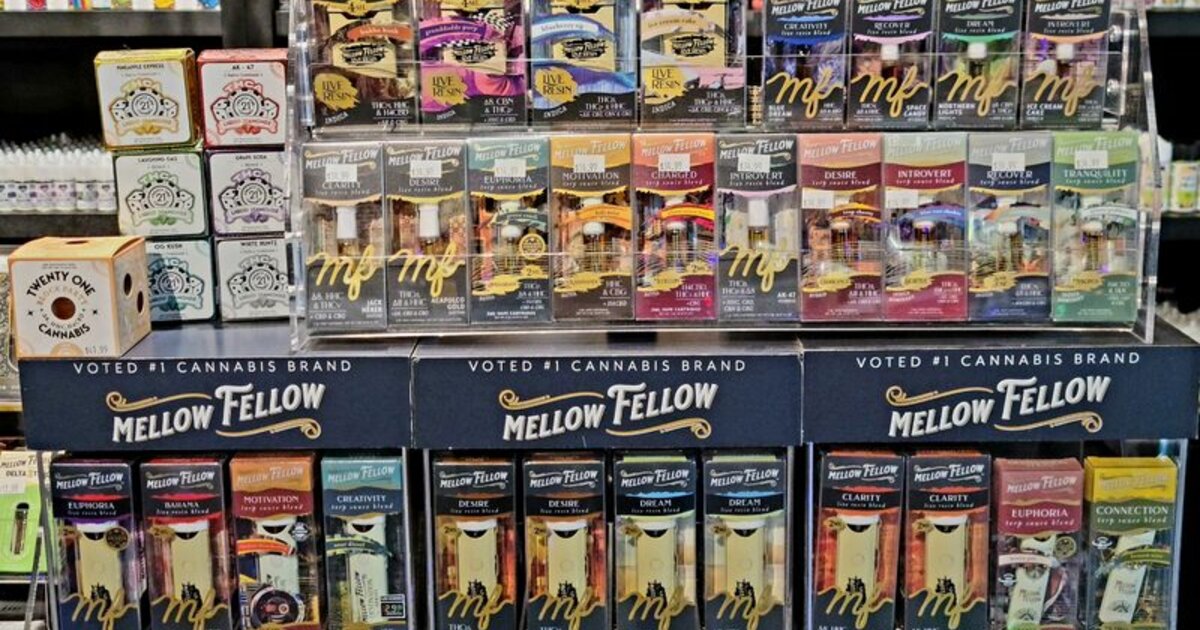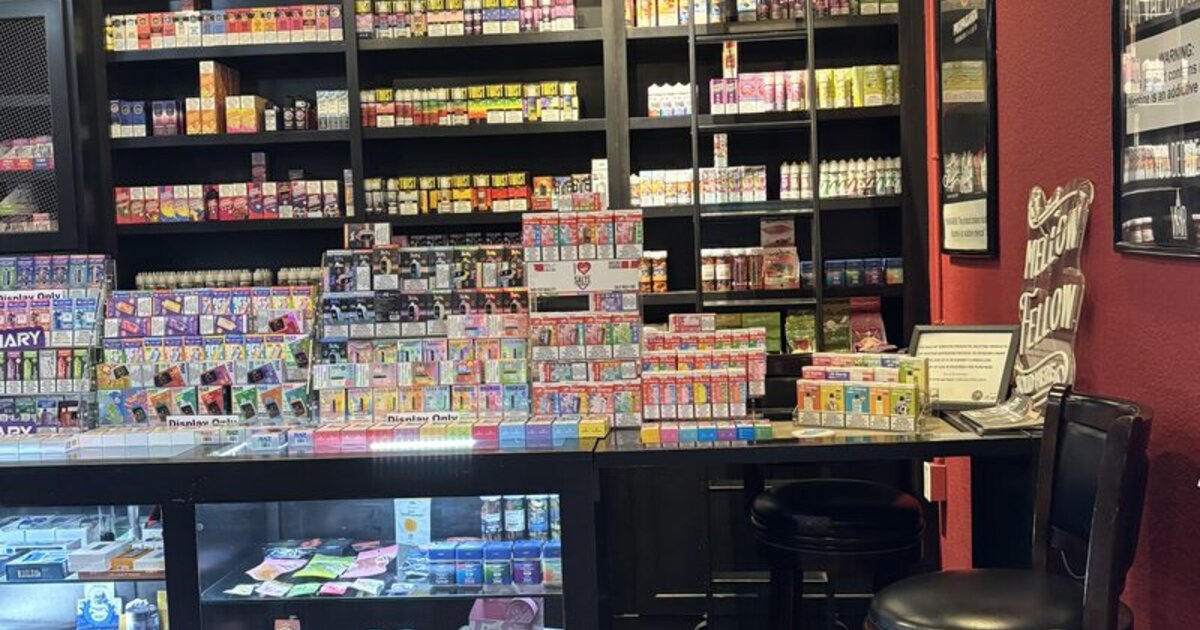
Starting your vaping journey can feel overwhelming when you're staring at walls of devices, countless flavor options, and unfamiliar terminology. Whether you've just decided to explore vaping or you're curious about what all the buzz is about, understanding the basics of vape devices is your first step toward finding a setup that works perfectly for your lifestyle and preferences. The good news? It's far simpler than it appears once you break it down into digestible categories.
In this comprehensive guide, we'll walk you through everything you need to know about vape devices, from the simplest pod systems to more advanced box mods. You'll learn about the different device types, how they work, what makes each one unique, and most importantly, how to figure out which option aligns with your needs. By the end of this article, you'll have the knowledge to make an informed decision—and if you're in the Fernandina Beach or Yulee area, the team at Speakeasy Vaporium is always ready to answer additional questions and help you find your perfect match.
Let's dive into the world of vape devices and help you understand why there's such a wide variety available. Each device type serves a different purpose and appeals to different vaping styles. The key to satisfaction isn't finding the most expensive or feature-packed option—it's finding what suits your individual preferences.
Understanding Vape Device Types
Vape devices fall into several distinct categories, each with its own approach to heating and delivering vapor. Understanding these categories is the foundation of choosing the right device. The main categories are pod systems, all-in-one (AIO) devices, box mods, and mechanical mods. Some devices blur the lines between categories, but these core types represent the vast majority of what you'll encounter at any vape shop.
Each device type varies in complexity, portability, customization options, battery life, and the vaping experience it delivers. There's no universally "best" device—only the best device for your specific situation. A device that's perfect for someone commuting to work might not suit someone who prioritizes cloud production, and vice versa. That's why the vaping market offers such diversity. Let's explore each major category so you can identify which direction makes sense for you.
Pod Systems: The Most Accessible Option
Pod systems have revolutionized the vaping industry by making devices incredibly simple and portable. These compact devices typically consist of two main components: a battery unit (the mod) and a replaceable pod cartridge that holds e-liquid. The pod snaps into the battery, and you're ready to vape. When the pod is empty or the coil performs poorly, you simply pop in a fresh one.
Pod systems excel in three areas: simplicity, portability, and consistency. There are no buttons to press (most use draw-activation), no complicated settings to adjust, and no tanks to fill or maintain beyond inserting a pre-filled pod. This makes them ideal for beginners who want the vaping experience without a learning curve. The devices fit easily in a pocket or purse, making them perfect for vapers who value discretion and convenience. The flavor quality in modern pod systems has improved dramatically, with many vapers preferring them even after trying more advanced devices.
On the downside, pod systems offer limited customization. You can't adjust wattage, you're generally limited to the flavor selections available for your specific device, and the per-vape cost can add up compared to refillable tanks. However, this simplicity is exactly why they appeal to so many people.
Popular pod systems you'll commonly encounter include the SMOK Nord series (known for reliable performance and flavor), the Vaporesso XROS (praised for durability and vapor quality), the Uwell Caliburn (a fan favorite for balanced experience), and the JUUL (which introduced the pod system concept to mainstream markets). Each has loyal users who prefer its specific characteristics, whether that's flavor delivery, battery life, or ease of use.
Pod systems are ideal if you prioritize convenience, prefer a discreet device, want minimal maintenance, have budget constraints, or are just starting out and want to keep things simple. They're also excellent as a backup device or for situations where you need maximum portability.
All-in-One (AIO) Devices: The Middle Ground
All-in-one devices represent a middle ground between the simplicity of pod systems and the customization of box mods. These devices integrate the battery, tank, and coil into one consolidated unit, and while some have replaceable coils or refillable tanks, others operate similarly to pod systems. The key difference is that AIOs typically offer more flexibility and often better flavor or cloud production than pod systems.
AIO devices are often the sweet spot for users who've tried pod systems but want a step up in performance without diving into the complexity of sub-ohm vaping. They're still relatively simple to operate, more portable than traditional box mods, and deliver improved vapor production and flavor quality. Battery life is typically better than pod systems, and refilling or replacing coils is straightforward even for beginners.
The tradeoff is that they require slightly more maintenance than pods—you might need to refill tanks, replace coils, or perform basic cleaning. They're also larger than most pod systems, though still quite pocketable. If you find pod systems too limiting but box mods too intimidating, AIO devices offer the perfect introduction to a slightly more involved vaping experience.
Box Mods & Advanced Kits: For the Enthusiast
Box mods represent a significant step up in complexity and customization. These devices feature a battery, a firing mechanism, and attachable tanks or rebuildable atomizers. Unlike pod systems, box mods allow you to adjust wattage, temperature, and other settings that affect your vaping experience. They're called "box mods" simply because of their typically rectangular shape, though the design varies widely.
The real appeal of box mods lies in customization and performance. Want to chase clouds? Adjust your wattage up. Prefer intense flavor? Fine-tune your settings for flavor-focused vaping. Box mods also support rebuildable atomizers (RDAs and RTAs), which allow experienced users to build their own coils and optimize every aspect of their setup. This level of control appeals to enthusiasts who treat vaping as a hobby rather than just a nicotine delivery method.
However, box mods come with a steeper learning curve. You'll need to understand concepts like wattage, resistance, battery safety, and coil building (if you go the rebuildable route). Battery life varies depending on your settings, and they require more regular maintenance including cleaning, tank filling, and coil replacement. They're also larger and heavier than pod systems, making them less portable. Additionally, the upfront cost is typically higher.
Sub-ohm vaping—using coils with resistance below 1.0 ohm—is where box mods truly shine. These setups produce significantly more vapor and often deliver more intense flavor. Vapers who choose sub-ohm systems typically report preferring the increased cloud production and the warmer, more flavorful experience, though sub-ohm vaping does consume e-liquid faster and requires more frequent coil changes.
Box mods are for users who want maximum customization, have experience with vaping or electronics, enjoy tinkering and optimization, don't mind regular maintenance, and want to explore the full spectrum of vaping possibilities. They're absolutely not necessary to enjoy vaping, but they offer unparalleled control for those who want it.
E-Liquids: The Other Half of the Equation
Your device is only part of the equation. The e-liquid you choose is equally important to your overall experience. E-liquid consists of a base (propylene glycol and vegetable glycerin), nicotine, and flavorings. Understanding e-liquid composition will help you optimize your vaping experience.
PG/VG Ratios: The ratio of propylene glycol (PG) to vegetable glycerin (VG) dramatically affects your experience. PG is thinner, carries flavor more effectively, and produces a throat hit similar to smoking. VG is thicker, produces more vapor, and tends to be smoother. Higher PG ratios (like 70/30) suit mouth-to-lung vaping and flavor-chasing, while higher VG ratios (like 30/70 or 50/50) are better for cloud production and smoother hits. Most pod systems work best with higher PG ratios, while sub-ohm setups prefer higher VG.
Nicotine Types: You'll encounter two nicotine types in modern vaping: freebase nicotine and nicotine salts. Freebase is the traditional form, works in all devices, and provides a strong throat hit at higher concentrations. Nicotine salts are newer, absorb faster, and allow for higher nicotine concentrations without harsh throat hit. Most pod systems use nicotine salts at concentrations like 25-50mg/mL, while traditional box mods and tanks usually use freebase nicotine at lower concentrations (3-12mg/mL).
Flavor Categories: E-liquid flavors span virtually every category imaginable. Sweet flavors (desserts, candy) are popular but can gunk up coils faster. Fruity flavors offer variety from simple single-fruit to complex blends. Menthol and mint provide a cooling sensation. Beverage flavors mimic coffee, energy drinks, and juices. Tobacco flavors attempt to recreate cigarette taste. Premium e-liquid brands typically offer better flavor profiles, smoother experiences, and higher quality ingredients, which often translates to longer coil life and more enjoyable sessions.
MTL vs DTL Vaping: Two Different Experiences
Two distinct vaping styles have emerged: mouth-to-lung (MTL) and direct-to-lung (DTL). Understanding the difference is crucial to choosing a device that matches your preferences.
Mouth-to-Lung (MTL) Vaping: This style mimics traditional smoking. You draw vapor into your mouth first, then inhale it into your lungs as a separate action. MTL provides a strong throat hit (especially with higher PG and nicotine), better flavor intensity, and slower vapor production. Users report that MTL is more satisfying if you're looking for a smoking-like experience, and it's generally gentler on the throat and lungs. MTL works best with pod systems, many AIO devices, and higher-resistance coils (1.0 ohm and above). Most beginners find MTL more natural since it mirrors smoking.
Direct-to-Lung (DTL) Vaping: This style involves inhaling vapor directly into your lungs in one motion, like taking a deep breath. DTL produces significantly more vapor, creates impressive clouds, and is often described as smoother despite producing more vapor. Flavor can be slightly less intense than MTL, but the increased vapor production appeals to many experienced vapers. DTL requires sub-ohm setups with lower-resistance coils and box mods that can power them effectively. The higher wattage and increased e-liquid consumption mean DTL is generally more expensive to maintain.
Neither style is "better"—they're simply different preferences. Many vapers enjoy both and switch between setups depending on their mood or situation. Your choice of device should align with your preferred vaping style.
How to Choose Your First Vape Device
Now that you understand the landscape, how do you actually choose? Consider these factors:
Your Experience Level: Beginners almost always benefit from starting with pod systems or AIO devices. These keep things simple while you learn. You can always upgrade to box mods later if you want more control. There's no shame in starting simple—everyone does.
Your Lifestyle: Do you need maximum portability? Pod systems win. Do you spend most time at home or at the office where a slightly larger device is fine? Box mods become more practical. Will you be vaping throughout the day or just occasionally? Battery life becomes more relevant.
Your Nicotine Needs: If you're transitioning from smoking and need strong nicotine delivery, pod systems with nicotine salts work excellently. If you prefer lower nicotine and casual vaping, traditional devices work fine.
Your Budget: Pod systems and AIO devices have lower entry costs (typically $20-60) with reasonable ongoing costs. Box mods represent a bigger initial investment ($50-150+) with higher e-liquid and coil costs. Consider both initial purchase and long-term maintenance costs.
Your Preference: Do you want simplicity or customization? Clouds or flavor? Portability or performance? Your honest answers to these questions point you toward your ideal device type.
If you're in Fernandina Beach or Yulee, visiting Speakeasy Vaporium lets you see and handle devices before buying. Our staff understands device characteristics intimately and can ask clarifying questions to help you narrow down to options that genuinely fit your needs. They can demonstrate how different devices work, discuss the pros and cons based on your specific situation, and help you choose an e-liquid that'll work well with your selected device. There's real value in expert guidance when making your first purchase.
Common Beginner Mistakes to Avoid
Learning from others' experiences can save you frustration and money. Here are the most common mistakes beginners make:
Starting with a device that's too advanced: Jumping straight to a box mod or rebuildable setup overwhelms most beginners. You'll spend more time troubleshooting than enjoying vaping. Start simple and upgrade when you understand what you want from an upgrade.
Neglecting device maintenance: Coils don't last forever. E-liquid residue builds up. Tanks get sticky. Regular cleaning and timely coil replacement dramatically improves your experience. Don't assume your device is broken when often it just needs maintenance.
Pairing the wrong e-liquid with your device: High-VG e-liquid in a pod system designed for high-PG creates dry hits and poor flavor. Low-wattage devices can't properly vaporize thick, high-VG liquids. Ask questions about compatibility when purchasing e-liquid.
Ignoring nicotine levels: Too little nicotine and you'll find yourself vaping constantly searching for satisfaction. Too much and you'll feel overstimulated. Finding your ideal nicotine level takes experimentation, so start in the middle range and adjust.
Buying the cheapest option available: The vaping market includes quality products at every price point, but extremely cheap devices often underperform or fail quickly. Mid-range devices from established brands typically offer the best value for beginners.
Not reading your device manual: Manufacturers include manuals for good reason. They cover safety, optimal settings, maintenance, and troubleshooting. Five minutes with the manual prevents hours of frustration.
Device Comparison Table
| Category | Pod Systems | AIO Devices | Box Mods |
|---|---|---|---|
| Ease of Use | Extremely simple; draw-activated | Simple with minor maintenance | Moderate; requires button operation |
| Portability | Excellent; very compact | Good; moderately compact | Fair; larger and heavier |
| Battery Life | Good; lasts most of the day | Very good; full day use | Variable; depends on settings |
| Cloud Production | Minimal to light | Moderate | Heavy to extreme |
| Flavor Quality | Excellent in modern devices | Very good | Excellent with tuning |
| Customization | Minimal; pod selection only | Limited | Extensive wattage/temp control |
| Initial Cost | $25-50 | $40-80 | $70-200+ |
| Ongoing Costs | Moderate; pod replacement frequent | Moderate; coil/liquid costs | Higher; frequent coil/liquid use |
| Best For | Beginners, commuters, simplicity seekers | Upgraders, balanced users | Enthusiasts, cloud/flavor optimization |
Frequently Asked Questions
What's the difference between nicotine salts and freebase nicotine?
Nicotine salts absorb faster, satisfy nicotine cravings more quickly, and allow higher nicotine concentrations without harsh throat hit. Freebase nicotine is the traditional form, provides a more pronounced throat hit, and is used in lower concentrations. Pod systems typically use nicotine salts; traditional mods usually use freebase. Neither is inherently "better"—they serve different purposes and suit different devices.
How long do vape coils last?
Most coils last between one to four weeks depending on several factors: how frequently you vape, the sweetness of your e-liquid, your power settings, and the coil quality. You'll notice declining flavor, a burnt taste, or gurgling as signs that a coil needs replacement. Keep spare coils on hand so you're never without a fresh one.
Do I need to buy an expensive brand for my first device?
No, but reputable brands in the mid-price range offer better reliability and support than the cheapest options. You don't need the most expensive device, but extremely cheap devices often disappoint. Budget $30-80 for a quality beginner device from a recognized brand.
What PG/VG ratio should I start with?
Most beginners do well with balanced ratios like 50/50 or 60/40 PG/VG. These provide good flavor, reasonable throat hit, and moderate vapor. Once you understand your preferences, you can adjust toward higher PG for more throat hit and flavor, or higher VG for more vapor and smoothness. Your device will also have ideal PG/VG ranges, so check the manual.
Is maintenance really necessary?
Yes, basic maintenance significantly improves longevity and experience. Regular tasks include replacing coils when flavor declines, wiping exterior residue, ensuring air vents aren't blocked, and occasionally rinsing tanks with water. These simple steps prevent most device problems and extend lifespan considerably. It's far less maintenance than many hobbies, and the payoff is genuine.
Conclusion
Choosing your first vape device doesn't require overwhelming research or expensive trial-and-error. By understanding the main device categories—pod systems, AIO devices, and box mods—and being honest about your needs regarding portability, customization, nicotine delivery, and budget, you can narrow down to an option that'll genuinely satisfy you.
Pod systems serve beginners and portability-focused users exceptionally well. AIO devices bridge the gap for those wanting more control without complexity. Box mods appeal to enthusiasts ready to dive deeper. There's no universally "right" answer—only the right answer for your situation.
Remember that e-liquid selection is equally important as device selection. Understanding PG/VG ratios, nicotine types, and flavor categories helps you choose liquids that work optimally with your device and preferences. Beginners often overlook this, but smart liquid selection dramatically improves the overall experience.
Finally, don't hesitate to ask for guidance. The vaping community is generally generous with knowledge, and professional staff at shops like Speakeasy Vaporium—with locations in Fernandina Beach and Yulee—understand these products intimately. Whether this is your first vaping experience or you're upgrading your setup, visiting either location and discussing your needs with knowledgeable staff can save you time and money. Take advantage of that expertise. Visit Speakeasy Vaporium today and let our team help you find the perfect device to match your vaping style.
Disclaimer: This article is for informational purposes only. The products discussed are not intended to diagnose, treat, cure, or prevent any medical condition. Users should consult healthcare professionals before using these products, particularly if they have existing health conditions or take medications. All products sold by Speakeasy Vaporium are restricted to individuals 21 years of age or older. This article does not constitute medical advice.